Germany's Industrial Landscape: The Rise of 3D Welding Fixture Tables
Germany has long been recognized as a global powerhouse for precision engineering, automotive manufacturing, and advanced industrial machinery. With regions like Baden-Württemberg, Bavaria, and North Rhine-Westphalia driving technological breakthroughs, the demand for highly efficient, accurate, and versatile fabrication tools has never been greater. In the heart of this manufacturing ecosystem, the traditional methods of welding assembly are rapidly evolving.
Historically, metal fabrication shops across Germany relied on dedicated, single-purpose welding jigs. While these custom fixtures ensured repeatability for high-volume production runs, they presented major drawbacks for modern manufacturing. They required significant storage space, high initial material and labor costs, and long lead times to design and build. As the German "Mittelstand" (the small and medium-sized enterprises that form the backbone of the economy) shifts towards high-mix, low-volume production, the need for flexibility has become paramount.
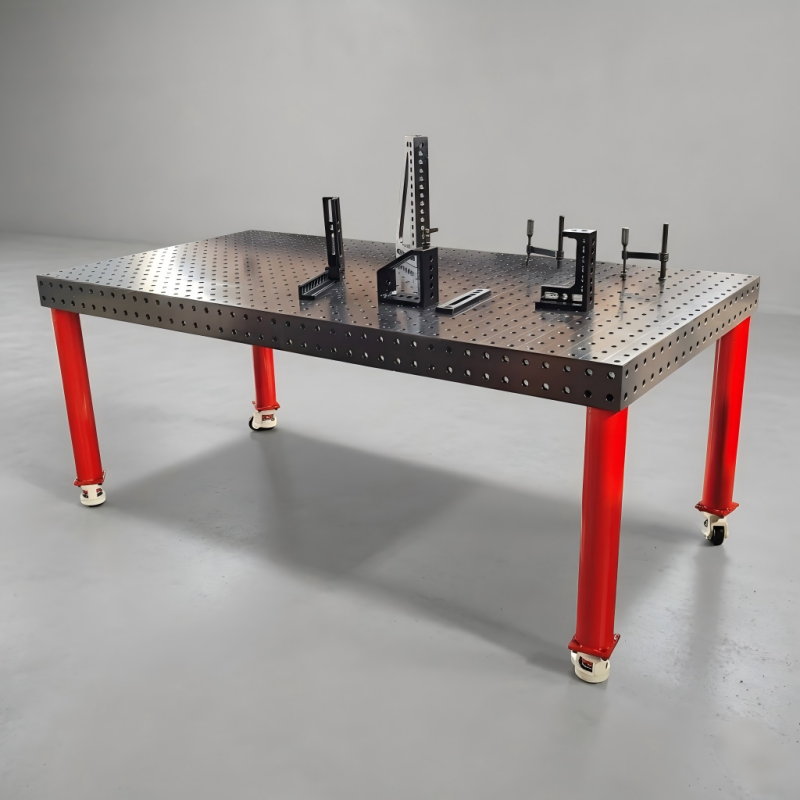
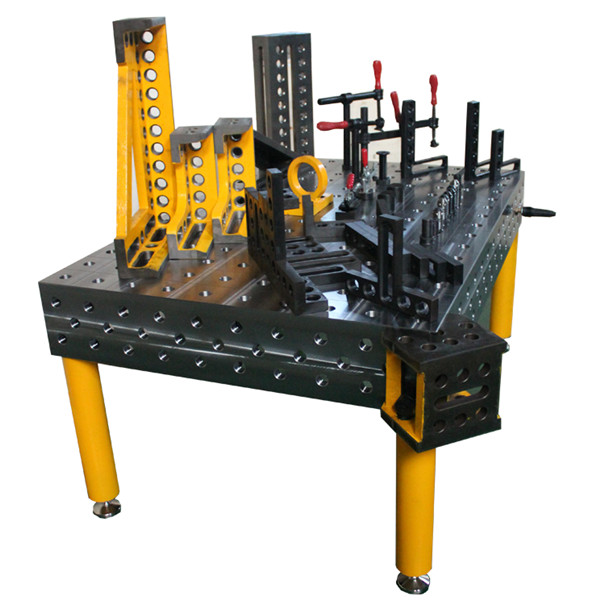
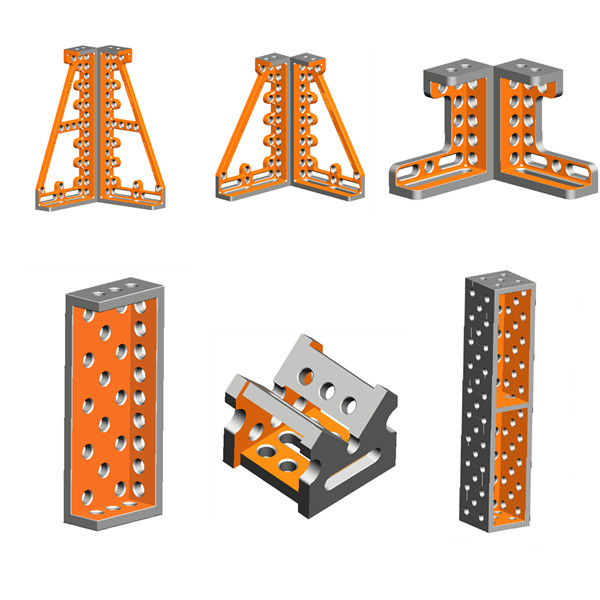
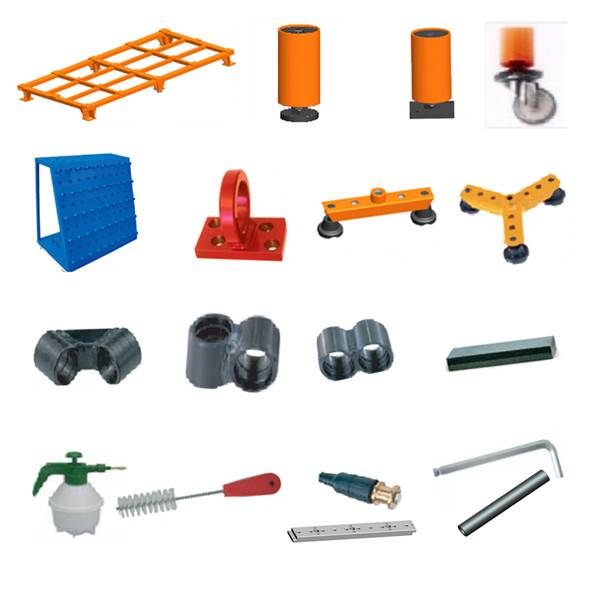
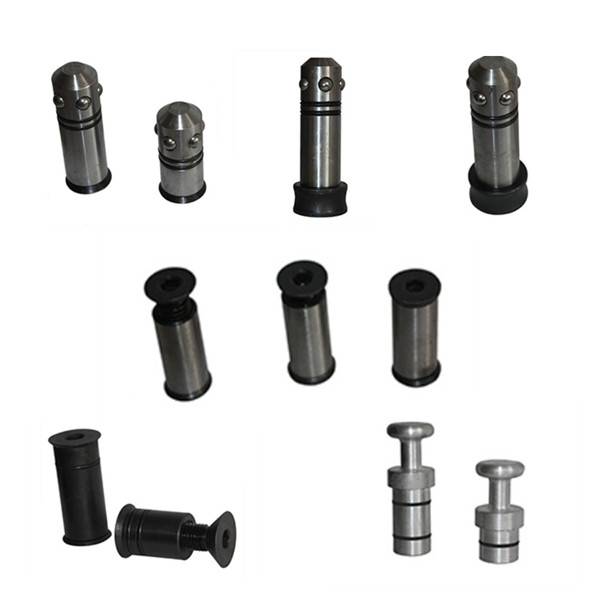
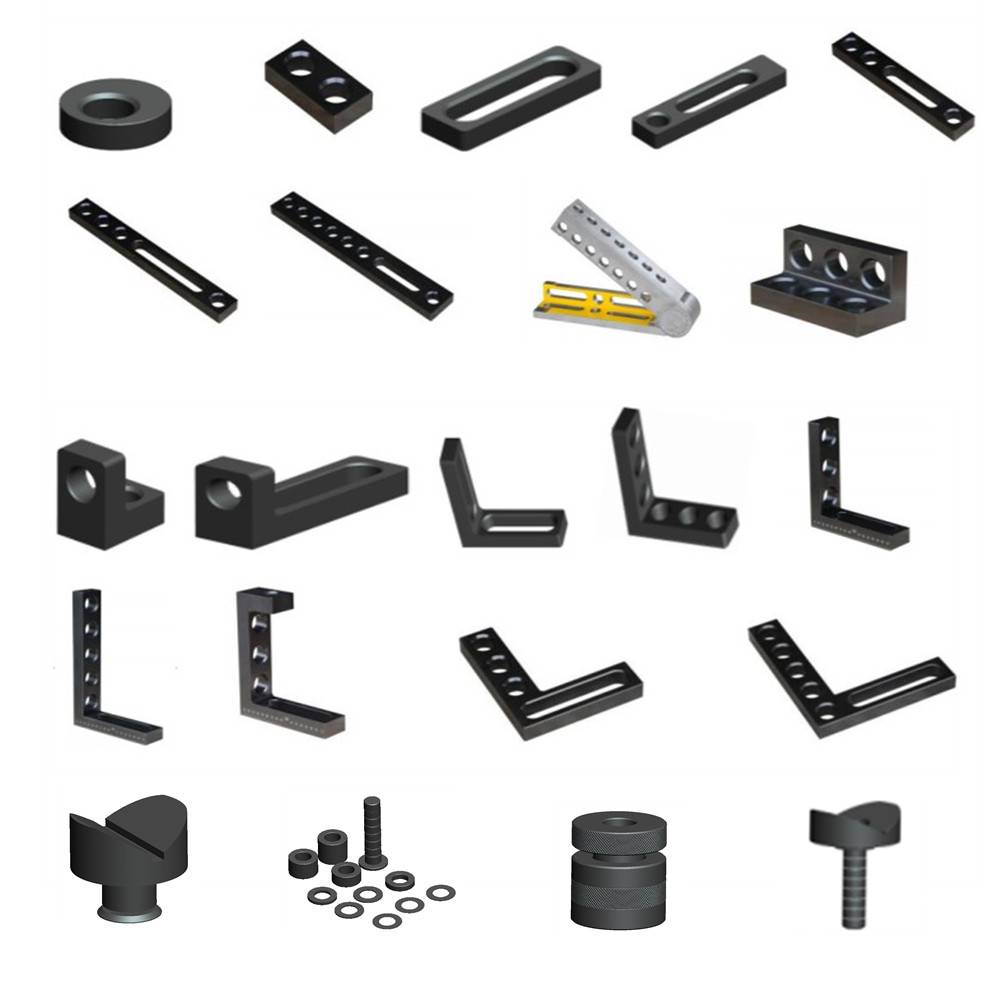
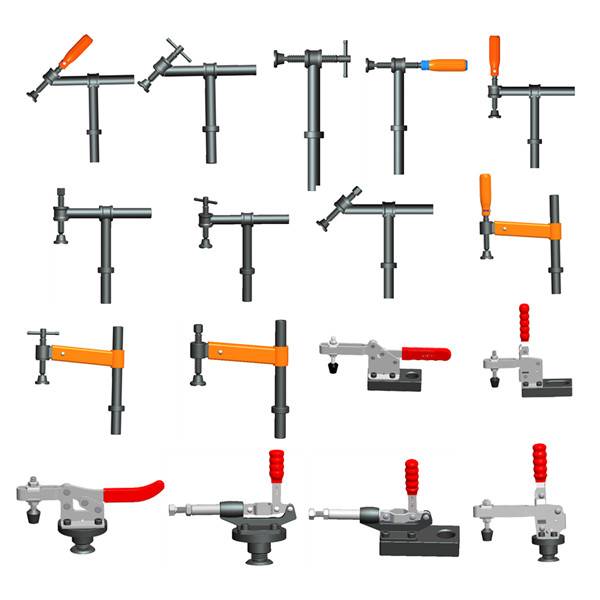
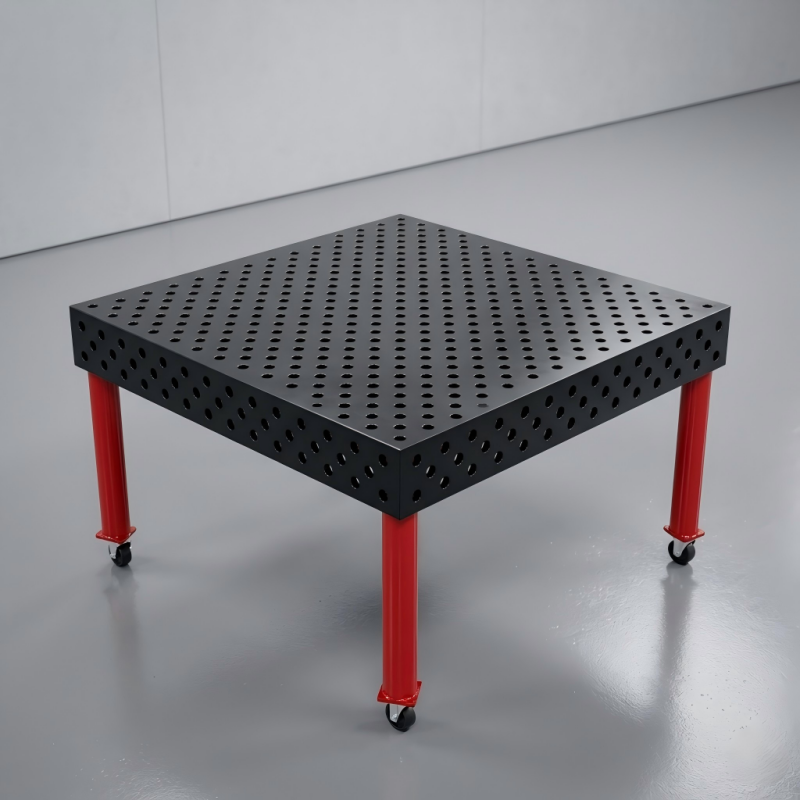
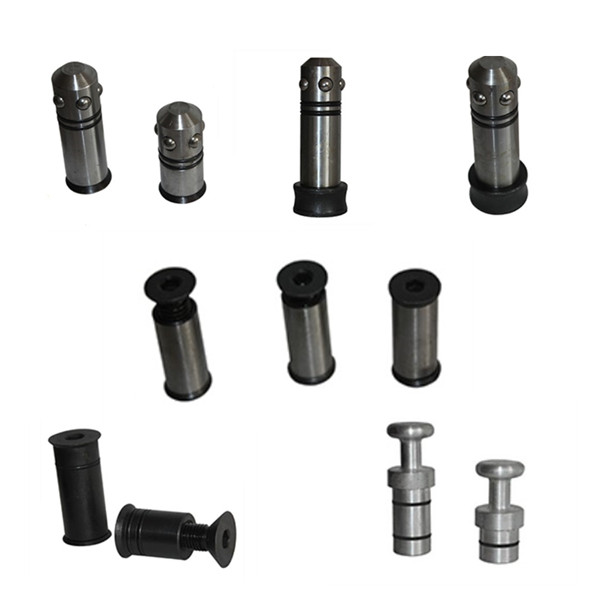
This is where 3D Welding Fixture Tables have become an indispensable asset. By utilizing a standardized grid system of holes (typically D16 or D28) spaced at precise intervals, modular 3D tables allow welders to assemble complex fixtures in a matter of minutes. Whether fabricating a prototype automotive frame in Stuttgart or assembling heavy agricultural machinery components in Lower Saxony, modular clamping systems enable rapid setup changes, reducing downtime and dramatically increasing throughput.
⚙️
Industry 4.0 Integration
German manufacturing is at the forefront of the Fourth Industrial Revolution. Modern 3D welding tables serve as the physical baseline for automated robotic welding cells, where dimensional consistency is critical to programming accuracy.
⚡
Cost-Efficiency & Agility
By replacing expensive single-use fixtures with reusable modular components, German fab shops can save up to 80% on fixture storage and design costs, allowing them to bid competitively on custom projects.